Pelvic Reconstruction
& Restoration
Correcting the structural failure of the pelvic floor through the dual lens of Urogynecology (URPS) and Complex Benign Gynecologic Surgery (MIGS). Accepting referrals for cases where standard surgical approaches have failed.
The Engineering of Support
Effective prolapse repair is not merely about "tightening" tissue — it is about re-establishing the suspension system of the pelvic organs. Standard repairs often fail because they address the bulge while ignoring the apical suspension: the true keystone of pelvic structural integrity.
Dr. Kevin Stepp approaches every case with a unique dual-fellowship perspective. By combining the structural engineering principles of Urogynecology (URPS) with the advanced, meticulous dissection skills of Minimally Invasive Gynecologic Surgery (MIGS), he restores anatomy while strictly conserving delicate nerve function and blood supply.
This is not a rudimentary patch. It is a comprehensive, enduring restoration of the female pelvic architecture — with multi-decade durability as the governing objective.
Dr. Stepp is one of fewer than 10 providers in the United States with recognized fellowship training in both Urogynecology (URPS) and Complex Benign Gynecology (MIGS). This intersection of expertise supports complex anatomical planning for redo-surgical cases, mesh complications, and advanced prolapse repair.
The Science of Operative Efficiency
Dr. Stepp's fellowship thesis identified a critical metric in urogynecology: surgical time is the number one risk factor for perioperative complications. For over 20 years, he has rigorously optimized operating room protocols and curated specialized surgical teams to eliminate wasted movement.
This mastery of surgical efficiency is paramount for the aging demographic. Minimizing exposure time to general anesthesia is directly correlated with a reduction in postoperative cognitive deficits — ensuring a safer, sharper, and dramatically faster recovery for every patient.
Cases We Were Built For
Our center specializes in cases requiring a level of precision and time allocation beyond standard insurance-grade repair models. We routinely accept direct referrals for all of the following:
Functional & Sexual Integrity
Advanced reconstructive strategies for patients prioritizing a lifetime of sexual health and physical activity. Our objective is multi-decade durability while meticulously preserving vaginal caliber, length, and neurovascular integrity.
Failed Prior Repairs
Correction of anatomy after failed colporrhaphy, slings, or previous hysterectomy. We address the root cause of surgical failure — most often a neglected apical support defect that prior surgeons left unaddressed.
Mesh Excision & Revision
Meticulous complete or partial excision of eroded, extruded, or painful mesh anchors. Advanced dissection techniques remove synthetic material while preserving adjacent organ function and neurovascular supply.
Advanced Procidentia
Comprehensive management of severe multi-compartment defects — Cystocele, Rectocele, and Enterocele — including cases where pelvic organs have prolapsed externally beyond the introitus.
Complex Reconstructive Pathologies
Advanced surgical management of Urethral Diverticulum, Vesicovaginal Fistula, and high-complexity anatomical distortions requiring specialized dissection and multi-compartment reconstruction.
Tailored Reconstructive Strategies
Every technique is selected based on precise anatomical deficits, lifestyle goals, and long-term durability expectations — never a one-size-fits-all protocol.
Sacrocolpopexy
Established Surgical Option- A precisely placed Y-shaped graft supports the vaginal apex at the sacral promontory, replicating the natural support of the uterosacral ligaments.
- Performed through advanced minimally invasive techniques — laparoscopic or robotic — for precision, reduced blood loss, and rapid recovery.
- Can be performed with or without uterine removal based entirely on your clinical profile and personal goals.
- The highest-durability repair available for pelvic vault prolapse, with outcomes data spanning decades.
Native Tissue Repair
Biological Restoration- Utilizes the patient's own native ligaments — Uterosacral or Sacrospinous — to re-establish pelvic vault suspension.
- An option for patients who want to avoid synthetic mesh material when native-tissue repair is appropriate.
- Performed vaginally or laparoscopically based on specific anatomical needs and clinical objectives.
- Dr. Stepp's meticulous dissection technique maximizes native tissue durability and minimizes recurrence risk.
Uterine Conservation
Evidence-Based Autonomy- Historical protocols often default to hysterectomy — Dr. Stepp prioritizes patient autonomy through detailed, evidence-based discussion of every option.
- Unhurried consultations examining the long-term outcomes of uterine removal versus preservation for each individual patient.
- When preservation is chosen, Dr. Stepp uses a hysteropexy approach intended to balance durability with uterine conservation.
Surgery Is the Foundation.
Restoration Is the Goal.
Correcting prolapse surgically is a necessary and meaningful first step — but it is not the whole answer. Pelvic organ prolapse is a connective tissue condition. Addressing the defect without understanding the biological and structural environment that produced it is a recipe for recurrence. Our approach to restoration extends well beyond the operating room.
Understanding the Connective Tissue Environment
The pelvic floor is a dynamic system of muscle, ligament, fascia, and neurovascular tissue — all interdependent. When prolapse develops, it reflects a failure of the connective tissue architecture that has been under load for years: the cumulative effects of childbirth, hormonal change, chronic strain, and the gradual tissue remodeling that comes with aging.
Surgical repair restores the mechanical structure. But a surgeon who does not account for the quality of the underlying connective tissue, the three-dimensional spatial relationships of the pelvic compartments, and the biological capacity of the tissue to hold over time is treating the symptom rather than the condition.
Dr. Stepp's dual-fellowship training in both Urogynecology (URPS) and Minimally Invasive Gynecologic Surgery (MIGS) means every reconstruction is planned with a precise understanding of spatial pelvic anatomy — the orientation of ligaments, the proximity of vessels and nerves, and the biomechanical forces each repair must withstand across decades of normal activity.
The Tissue-First Principle
Every repair is only as durable as the tissue it is anchored to. Understanding connective tissue quality — not just the anatomical defect — shapes every surgical and non-surgical decision we make for each patient.
Supporting the Pelvic Floor Throughout the Lifecycle
Surgical correction addresses the structural deficit. Long-term pelvic health requires equal attention to the muscular, vascular, hormonal, and neurological systems working alongside that structure every day. We integrate several complementary approaches to support these systems — before surgery, during recovery, and in the years that follow.
Pelvic Floor Physical Therapy
Coordinated pelvic floor PT — both before and after surgery — is among the most evidence-supported tools available for improving muscular function, reducing recurrence risk, and restoring continence and comfort. We work with specialized pelvic floor therapists and integrate PT into every appropriate surgical patient's care plan. Muscle strength and neuromuscular coordination are not restored by surgery alone.
Improving Tissue Quality & Blood Flow
Tissue atrophy — particularly in the postmenopausal pelvic environment — reduces both the quality of native tissue available for repair and the capacity for surgical healing. CO2 laser vaginal rejuvenation (VliftCO2) and platelet-rich plasma (PRP) therapy stimulate collagen remodeling, improve mucosal thickness, and enhance local vascularity. These are not cosmetic considerations; they are meaningful contributors to long-term pelvic tissue health.
Continence as Part of the Plan
Prolapse and stress urinary incontinence frequently coexist, and both require thoughtful, coordinated management. Addressing one without planning for the other can produce incomplete or frustrating outcomes. Our surgical planning accounts for multi-compartment deficits and concomitant incontinence where clinically appropriate — and our non-surgical protocols support bladder function and pelvic floor tone throughout the healing process.
Sexual Wellness as a Clinical Priority
Restoration of pelvic anatomy has a direct relationship with sexual comfort and function. For many patients, this is the primary motivation for seeking care. Our approach preserves vaginal caliber and neurovascular integrity in every reconstruction, and our regenerative protocols support tissue quality and sensation throughout recovery and beyond. These conversations are a routine and respected part of every consultation.
PRP-Based Therapy & Regenerative Biology
Regenerative biology is an evolving field. PRP-based approaches and other biologic questions may be discussed as part of individualized planning, but emerging science has not established exosome products as an FDA-approved treatment for pelvic organ prolapse or postoperative recovery. These discussions do not replace established prolapse evaluation, surgery, pelvic floor rehabilitation, or other evidence-based care.
Peptides & Recovery Optimization
The APSU clinical team can discuss individualized regenerative and recovery-support options before and after surgery when appropriate. These services are optional and are coordinated with the patient’s surgical care.
"I think about pelvic health the way an orthopedic surgeon thinks about a joint reconstruction — the surgery matters, but so does the tissue you're working with, the rehabilitation that follows, and the biological environment you're creating for that repair to live in for the next 20 or 30 years. That long-term perspective changes every decision we make."— Kevin Stepp, MD, FACOG, URPS
At-Home Pelvic Floor Rehabilitation
While significant prolapse often requires surgical reconstruction, mild prolapse and post-operative tissue maintenance can be powerfully supported through structured conservative care.
The vFit® PLUS Intimate Health Device
As a rehabilitative tool, Dr. Stepp recommends the vFit® PLUS. This medical-grade device integrates therapeutic red light (662 nm), gentle thermal energy, and restorative vibration to actively engage and strengthen the pelvic floor muscles from the comfort of home, aiding in both prevention and long-term surgical maintenance.
Destination Care in Charlotte, NC
Our practice sees patients from across the Carolinas, the United States, and internationally for complex prolapse questions. Located minutes from Charlotte Douglas International Airport (CLT), our concierge team coordinates everything from initial virtual record reviews to post-operative care — including logistics and accommodations for traveling patients.
Learn About Travel Concierge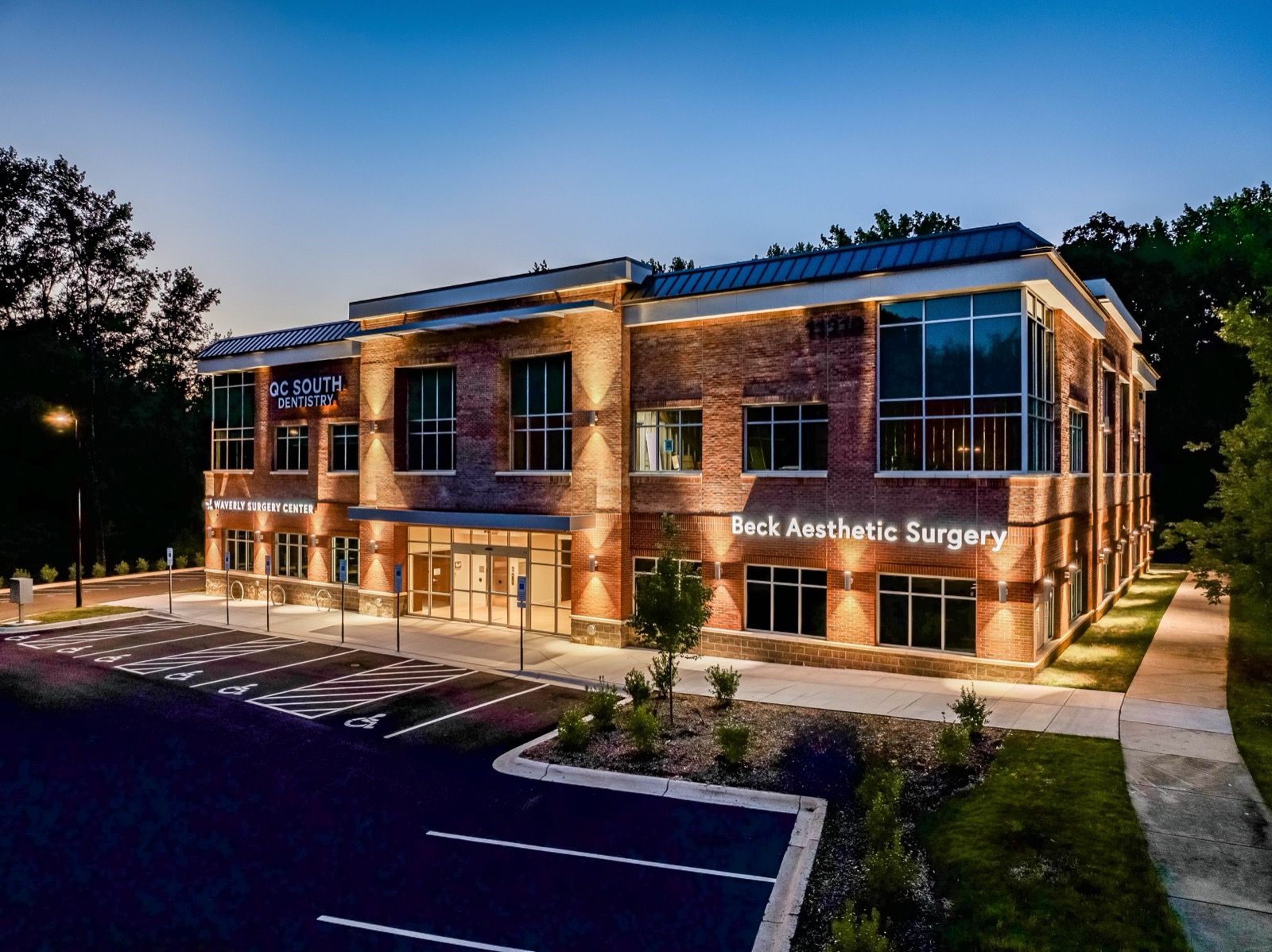
For Patients
If you have been told your case is "too complex," have experienced a failed repair, or are living with mesh complications — we invite you to schedule a comprehensive record review and private consultation with Dr. Stepp.
Schedule a ConsultationFor Physicians
We partner with OB/GYNs and Urologists to manage high-acuity surgical cases requiring tertiary-level expertise. We ensure a seamless, professional referral process and return the patient to your care following recovery.
For Physicians